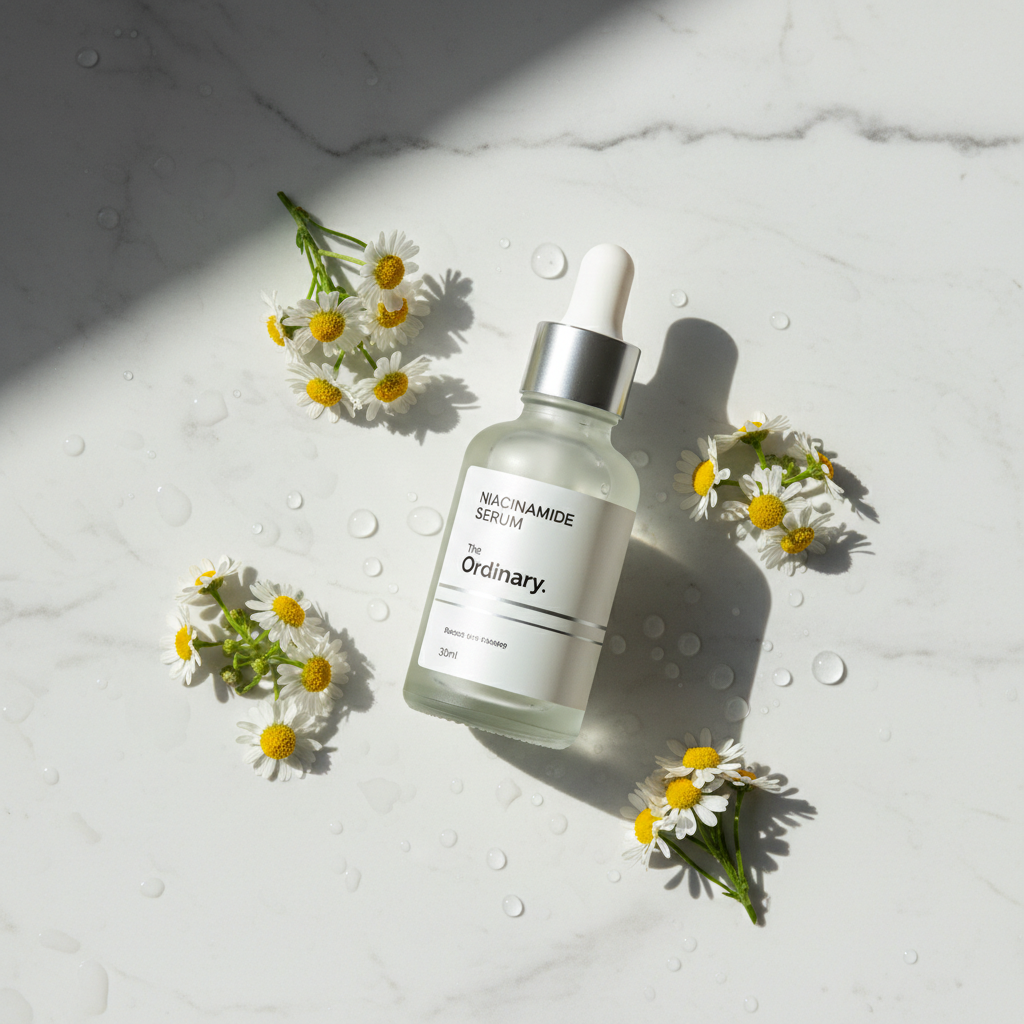
Niacinamide Benefits: Why Dermatologists Recommend Vitamin B3
If there's one ingredient that belongs in virtually every skincare routine, it's niacinamide. Also known as vitamin B3 or nicotinamide, this water-soluble vitamin has become a staple recommendation among dermatologists — and for good reason. It works on nearly every skin concern, plays well with almost every other active, and is gentle enough for even sensitive skin.
What Is Niacinamide?
Niacinamide is the active form of vitamin B3 (niacin). Unlike many skincare actives that work through exfoliation or cell turnover, niacinamide works by supporting the skin's natural processes at a cellular level. It strengthens the lipid barrier, reduces transepidermal water loss, and modulates inflammatory pathways.
It's found naturally in foods like poultry, fish, mushrooms, and green peas — but the concentrations used in skincare (typically 2–10%) far exceed what diet alone provides to the skin.
Proven Skincare Benefits of Niacinamide
1. Reduces Pore Appearance
Niacinamide helps normalise the lining of pores, keeping them clear and reducing their visible size over time. Studies show that 2% niacinamide can significantly reduce pore appearance within 4–8 weeks of consistent use. This makes it particularly valuable for those with oily or combination skin.
2. Fades Hyperpigmentation and Dark Spots
Niacinamide inhibits the transfer of melanin (pigment) from melanocytes to surrounding skin cells. This means it doesn't stop melanin production entirely but prevents it from reaching the skin's surface in concentrated patches. The result: a more even skin tone and visibly faded dark spots, sun damage, and post-inflammatory hyperpigmentation.
Clinical studies have demonstrated visible brightening within 8–12 weeks of using 5% niacinamide.
3. Strengthens the Skin Barrier
This is perhaps niacinamide's most important function. It stimulates the production of ceramides and fatty acids — the essential lipids that form the skin's protective barrier. A stronger barrier means:
- Better moisture retention (less transepidermal water loss)
- Greater resilience against environmental irritants
- Reduced sensitivity and reactivity
- Improved tolerance to other active ingredients
4. Controls Oil Production
Niacinamide regulates sebum production at the sebaceous gland level. At 2–5% concentrations, studies show a significant reduction in sebum excretion after just 4 weeks. This helps prevent the excess oiliness that contributes to clogged pores and acne breakouts — without the drying effects of harsh astringents.
5. Reduces Redness and Inflammation
Niacinamide has well-documented anti-inflammatory properties. It inhibits inflammatory cytokines and helps calm conditions like acne, rosacea, and general skin sensitivity. It's one of the few actives that people with rosacea-prone skin can safely use without risk of flare-ups.
DermLens AI Tip: If you're introducing a new active ingredient (like retinol or an AHA), adding niacinamide to your routine first helps strengthen your barrier and reduce the likelihood of irritation when you introduce the stronger active.
What Concentration of Niacinamide Should You Use?
Not all niacinamide products are created equal. Here's a guide to choosing the right strength:
- 2–5% — ideal for sensitive skin, barrier repair, and sebum regulation. Effective yet gentle
- 5% — the most commonly studied and recommended concentration. Balances efficacy with tolerability
- 10% — maximum recommended concentration. More isn't always better — concentrations above 10% can actually cause irritation, flushing, or breakouts in some people
If you're new to niacinamide, start at 5%. Most skin types tolerate it beautifully from day one.
How to Add Niacinamide to Your Skincare Routine
Niacinamide is remarkably flexible in terms of application:
- Serum: the most concentrated and effective delivery method. Apply after cleansing, before moisturiser
- Moisturiser: many moisturisers now include niacinamide at effective concentrations. A convenient two-in-one approach
- Toner: some toners contain niacinamide at lower concentrations — good for a lighter approach
You can use niacinamide both morning and evening. It's water-soluble, non-photosensitising, and stable in most formulations.
Can You Use Niacinamide with Retinol?
Yes — and it's actually one of the best combinations in skincare. Niacinamide helps offset the dryness and irritation that retinol can cause by:
- Strengthening the barrier (reducing sensitivity to retinol)
- Providing anti-inflammatory support
- Boosting hydration retention
Apply niacinamide serum first, wait a minute, then apply retinol. Or use niacinamide in the morning and retinol at night.
Niacinamide and Other Active Ingredients
- Niacinamide + Hyaluronic Acid: excellent combination. HA hydrates, niacinamide strengthens the barrier to lock that hydration in
- Niacinamide + Salicylic Acid: safe and complementary. Niacinamide calms while BHA clears pores
- Niacinamide + AHAs: use together cautiously. The combination is safe but may cause flushing in some people. If so, use at different times of day
- Niacinamide + Vitamin C: contrary to outdated advice, modern formulations of niacinamide and vitamin C work perfectly well together. The old concern was based on pure powder mixing in a lab, not real-world product use
Niacinamide vs Vitamin C: Do You Need Both?
Both ingredients brighten skin and fade hyperpigmentation, but they work through different mechanisms:
- Vitamin C — an antioxidant that neutralises free radicals and inhibits tyrosinase (the enzyme that produces melanin). Best in the morning to protect against UV-induced damage
- Niacinamide — inhibits melanosome transfer (the delivery of pigment to skin cells) and strengthens the barrier. Effective any time of day
For maximum brightening, use both: vitamin C in the morning, niacinamide in the evening (or in the same routine — they're compatible).
The Bottom Line
Niacinamide is one of the rare skincare ingredients that delivers on multiple fronts without significant risk of irritation. Whether you're dealing with enlarged pores, uneven tone, acne, sensitivity, or a compromised barrier, niacinamide can help. It's the ultimate team player in any routine.
Related Articles
Discover which ingredients your skin needs
Get a personalised AI skin analysis with tailored ingredient and product recommendations.
Try DermLens AI